cnshopper Foldable Sun Hat Spreadsheet Guide
cnshopper Foldable Sun Hat Spreadsheet Guide
Want to pick a foldable sun hat from the cnshopper Spreadsheet: the real challenge isn't finding one that looks good, but determining if it fits your head size, sun protection scenarios, and luggage space. This guide provides a repeatable filtering method to help you narrow down candidates to those with relatively complete evidence and more likely appropriate sizes.
This article does not directly recommend any product, nor does it judge the actual sun protection rating of any hat. There is currently no item-by-item verifiable information on product prices, stock, sellers, materials, sizes, shipping, or physical inspection records, so these time-sensitive details must still be confirmed on the corresponding product page on the day of ordering. The information verification baseline date is August 27, 2026.
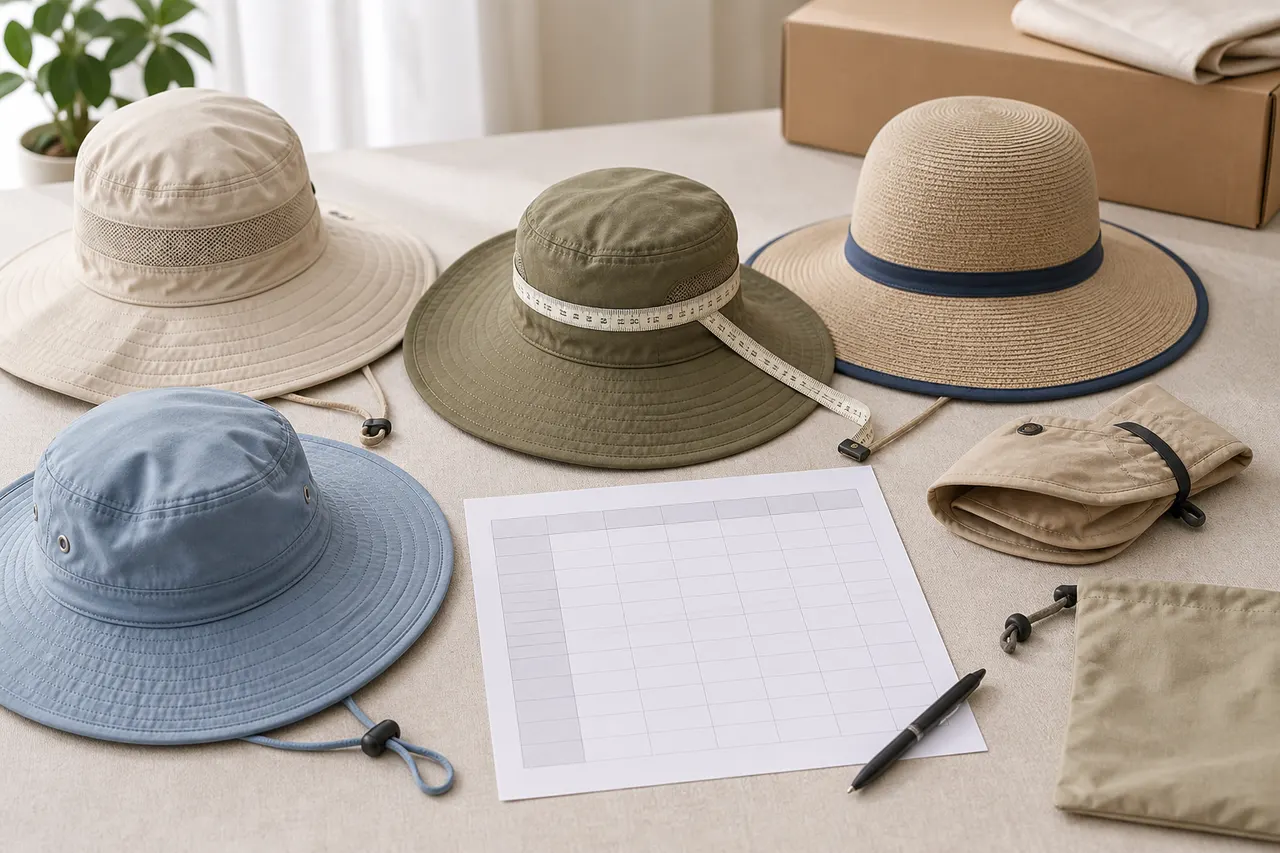
First determine the sun protection scenario and storage constraints
Write down the main usage scenarios first; do not filter by color or style initially. City commuting, beach activities, hiking, and daily gardening have different requirements for brim, stability, and storage. 🎯
Before looking at the cnshopper Spreadsheet, at least determine the following conditions:
Usage scenario: commuting, travel, beach, hiking, or other outdoor activities
Expected wearing duration: short-term use or continuous hours
Storage location: pocket, carry-on bag, backpack side pocket, or suitcase
Acceptable brim size: prioritize coverage or keep a clear field of vision
Need for adjustable structure, chin strap, or detachable parts
Whether you mind creases, soft brims, or needing to reshape after storage
This method is suitable for buyers who want to narrow down candidates based on size and visible evidence. It is not suitable for those who need professional protective equipment, have already determined specific certification standards, or must obtain tested UV protection data before purchase.
Build a candidate list in the cnshopper Spreadsheet
The Spreadsheet should be an entry point for candidates, not final evidence. First record the product name, source page, and existing specifications, then open the corresponding product page for verification. Do not order based solely on thumbnails, file names, or brief descriptions in the list.
It is recommended to create the following fields for each candidate:
Filtering Field | Information to Record | Handling When Missing |
|---|---|---|
Head circumference | Nominal range, fixed size, or adjustable range | Temporarily do not judge fit |
Crown depth | Numeric value, measurement diagram, or structural photos | Mark as pending confirmation |
Brim | Front and back width, side coverage, and support structure | Do not estimate from front view only |
Storage method | Roll, fold, flatten, or detachable | Look for photos after unfolding |
Material | Clearly identified components and structure on the page | Do not guess based on luster or texture |
Sun protection claims | Standard, rating, testing basis, and applicable scope | Record only as unverified |
Page status | Accessibility, specification completeness, and verification date | Remove from list if invalid or blank page |
The first round only excludes styles that clearly do not meet hard conditions, such as head circumference range mismatch, brim direction not suitable for the usage scenario, or insufficient information for the next step of judgment. 📋
Judge fit using head circumference, crown depth, and adjustable structure
First use a soft measuring tape to wrap horizontally around the area above the eyebrows and the prominent part of the back of the head, keeping it snug but not tight. Measure two to three times consecutively; if results differ, record the larger stable value and note the hairstyle at the time of measurement and whether you plan to wear a headband or scarf under the hat.
If the product page only states "one size" without a head circumference range, flat measurements, or adjustment allowance, you cannot confirm fit from that alone. An adjustable structure does not necessarily fit all head shapes; you need to further assess the adjustment position, direction, and remaining space after tightening.
Crown depth is equally important. Too shallow a crown may cause the hat to ride up easily, while too deep may press on the ears or affect vision. If the page does not provide the crown depth value, check if a side measurement diagram is available, but do not estimate from model photos, as shooting angles, hair volume, and head shape can affect visual proportions.
Divide candidates into three groups:
Able to judge: head circumference, crown depth, and adjustment method all have clear evidence
Conditionally retain: head circumference is clear, but crown depth or adjustment details need to be asked about
Temporarily not selected: only "one size" description, with no size chart or measurement instructions
Filter by brim coverage, support method, and impact on field of vision
A wider brim is not necessarily better. A wide brim usually expands the coverage area, but it may also block upper side vision, increase wind resistance, and take up more space when folded. 🧢
When judging, look at the front brim, side brim, and back brim separately; do not record only one maximum width. For scenarios requiring frequent looking up, cycling, or walking in crowds, also consider whether the brim will obstruct the line of sight. If the page only shows front photos, you cannot fully assess side coverage and support.
The support method can be verified from visible structures:
Does the soft brim tend to droop naturally?
Are there edge bindings, stitching, or moldable structures?
Are there clear detail images at the junction of the crown and brim?
Are side views when worn and flat lay photos after unfolding provided?
If there is a chin strap, is it adjustable and detachable?
These observations can only indicate whether structural evidence is sufficient; they cannot replace wind resistance, sun protection, or durability tests.
Compare folding methods, recovery evidence, and luggage space usage
"Foldable" may mean folding in half, rolling, flattening, or briefly stuffing into a storage bag. Different methods have different impacts on creases, brim support, and shape recovery, so you must check whether the seller shows continuous evidence of before folding, during folding, and after re-unfolding.
You can compare in the following order:
Record the folding method explicitly shown by the product.
Check if folded dimensions are indicated, not just showing a storage bag.
Look for front and side photos after re-unfolding.
Determine if the brim needs manual reshaping, and whether the page explains the reshaping method.
Compare the folded length, width, and thickness item by item with your storage space.
If the page only shows the folded state without evidence after unfolding, record "recovery condition" as unknown. If luggage space is limited, prioritize styles with folded dimensions rather than relying on descriptions like "portable" or "travel-friendly."
Before ordering, verify material identification, detail images, and specification information
Material must be based on explicit identification on the page. You cannot determine fabric composition, breathability, softness, or water resistance from images, nor can you interpret mesh, luster, or weave directly as a certain function.
Before ordering, check:
Are the product name, specification options, and selected color consistent?
Does the size chart use head circumference, flat width, or another measurement basis?
Are units clear, and is there a note about manual measurement errors?
Are there clear detail images of the brim, crown, adjusters, and stitching?
Is the material composition indicated in text, not just marketing descriptions?
Is the product page still accessible, and are current specifications still selectable?
Have the current price, stock, seller information, return policy, and link status been rechecked on the day of ordering?
After accessing the source product page through cnshopper's candidate information, reconfirm that the final choice matches the page specifications. If the Spreadsheet conflicts with the product page, use the verifiable source page as the reference for the day and keep a record of discrepancies; do not fill in gaps on your own if you cannot confirm.
Identify missing evidence and unverifiable sun protection capabilities
Sun protection capability is a performance conclusion that requires evidence. Relying solely on terms like "sun hat," "UV protection," dark fabric, or a wide brim does not confirm a specific UV protection rating.
If the product page includes UPF or other protection claims, further verify:
Is a specific rating given?
Are applicable standards or test methods stated?
Does the claim apply to the entire hat, specific fabric, or certain parts?
Is there identifiable test data and corresponding product model?
Does the current sales specification match the sample in the data?
If the above information is missing, write the result as "visible coverage meets expectations, but the sun protection rating cannot be confirmed," rather than equating appearance coverage with verified protection capability. ⚠️
Similarly, information that should remain unknown includes actual breathability, long-term wearing comfort, size changes after washing, wind resistance, effect of repeated folding on the brim, and color differences. Without product samples, measurements, or reliable test data, no definitive conclusions should be drawn.
Complete selection and record post-arrival verification items
Finally, prioritize candidates that meet the following conditions: clear size basis, appropriate head circumference and adjustment range, brim coverage suitable for the scenario, continuous evidence of folding method, and material and specification information verifiable on the source page. Do not let one unverified selling point override multiple missing key fields.
Before submitting the order, save the selected specification, size chart, material description, product page status, and verification date. After receiving warehouse photos or the actual item, recheck:
Are the color and specifications consistent with the order?
Are the crown, brim, and adjustable parts complete?
Are visible size markings consistent with the page?
Are there obvious creases, deformations, stains, damage, or stitching issues?
Does the folding structure match the page display?
Could the packaging cause further compression?
This method reduces the probability of choosing the wrong product due to insufficient size information or misjudging the storage method, but without sample data on candidate product prices, shipping fees, and return costs, the confirmable savings amount is 0; you cannot claim specific money saved in advance. The main added cost is the time for filtering and recording, and it may also mean giving up apparent price advantages by excluding low-priced items with insufficient evidence.
This approach is suitable for buyers who value size matching, travel storage, and evidence completeness. It is not recommended for those who just want to order quickly at the lowest price, or those who require verified professional sun protection performance but cannot obtain test data. After completing the filtering, you should have a traceable candidate record, not just an answer based on images and marketing words.
Frequently Asked Questions about Shopping on Agent Platforms
1. What is the way to look up a product I'd like to buy on cn-shopper.com?
On cn-shopper.com you can either enter a single search term or browse the relevant category page, where items are also sorted by brand. Using more words in your search usually narrows down the results compared to shorter queries, but the matches are more exact. For instance, you could try searching for "Air Force 1 White," "sneakers," or just "Air Force 1."
Browse our latest products and find your next favorite item.